
Crisis simulations may be operational exercises at heart, but when they involve first responders, their visibility creates a unique opportunity for organizations to build trust with the communities around them.
Crisis simulations are often viewed as a purely internal necessity, an exercise to test procedures, escalation paths, and decision-making under pressure. Yet when simulations involve first responders, they inevitably extend beyond an organization’s walls and into the surrounding community. Fire trucks arrive on site. Ambulances move in and out. Sirens may sound. To anyone nearby, it can look very much like a real emergency unfolding in real time.
For some organizations, that visibility feels uncomfortable. There is a fear that neighbors may panic, rumors may spread, or local media may jump to conclusions. In practice, however, visibility itself is rarely the problem. What creates concern is uncertainty. When people do not know what is happening, they fill in the gaps themselves. When companies provide context, crisis simulations can shift from a perceived liability to a powerful demonstration of corporate citizenship.
What a Crisis Simulation Looks Like from the Outside
A full-scale crisis simulation is fundamentally different from a tabletop exercise. It is a live enactment of a crisis scenario involving both internal teams and external stakeholders.
Internally, crisis management and crisis communication teams test protocols, coordination, and messaging under realistic conditions. Externally, first responders such as fire departments, emergency medical services, and sometimes law enforcement actively participate. While the crisis communication effort remains invisible to the public, the first-responder component is anything but subtle.
Emergency vehicles may be seen entering factory grounds, personnel may move quickly across the site, and sirens may be used as part of the exercise. Neighbors will notice. The strategic question, therefore, is not whether people will see the simulation, but how the organization frames what they see.
Why Visibility Does Not Have to Create Fear
It is tempting to assume that emergency vehicles automatically alarm communities. In reality, neighbors are not unsettled by preparedness; they are unsettled by not knowing why it is happening.
When visible activity is unexplained, speculation fills the vacuum. When residents understand that an exercise is planned, controlled, and focused on safety, the same activity often reassures rather than alarms. Preparedness, when explained, signals responsibility.
This is where communication becomes decisive.
Tier 1: Risk Mitigation Through Proactive Community Communication
The first and non-negotiable benefit of communicating about a crisis simulation is risk mitigation.
Organizations should proactively inform the surrounding neighborhood ahead of time. Depending on context, this can be done through letters, flyers, emails, or even door-to-door outreach. These communications should clearly explain when the simulation will take place, how long it is expected to last, and which first responders will be involved.
Equally important is explaining why the exercise is being conducted. Neighbors should understand that the simulation exists to ensure that, in the highly unlikely event of a real crisis, everyone can be brought to safety swiftly and efficiently. Making it explicit that the odds of an actual incident are very slim helps anchor expectations and reduce unnecessary concern.
Handled properly, this communication does not draw attention to risk. It demonstrates diligence and accountability.
Tier 2: Turning Preparedness Into Corporate Citizenship
Beyond risk mitigation lies a second, optional but strategically powerful layer: brand building. Crisis simulations involving first responders create rare moments when preparedness becomes visible. Fire trucks and ambulances on site no longer signal danger. They signal coordination, responsibility, and collaboration.
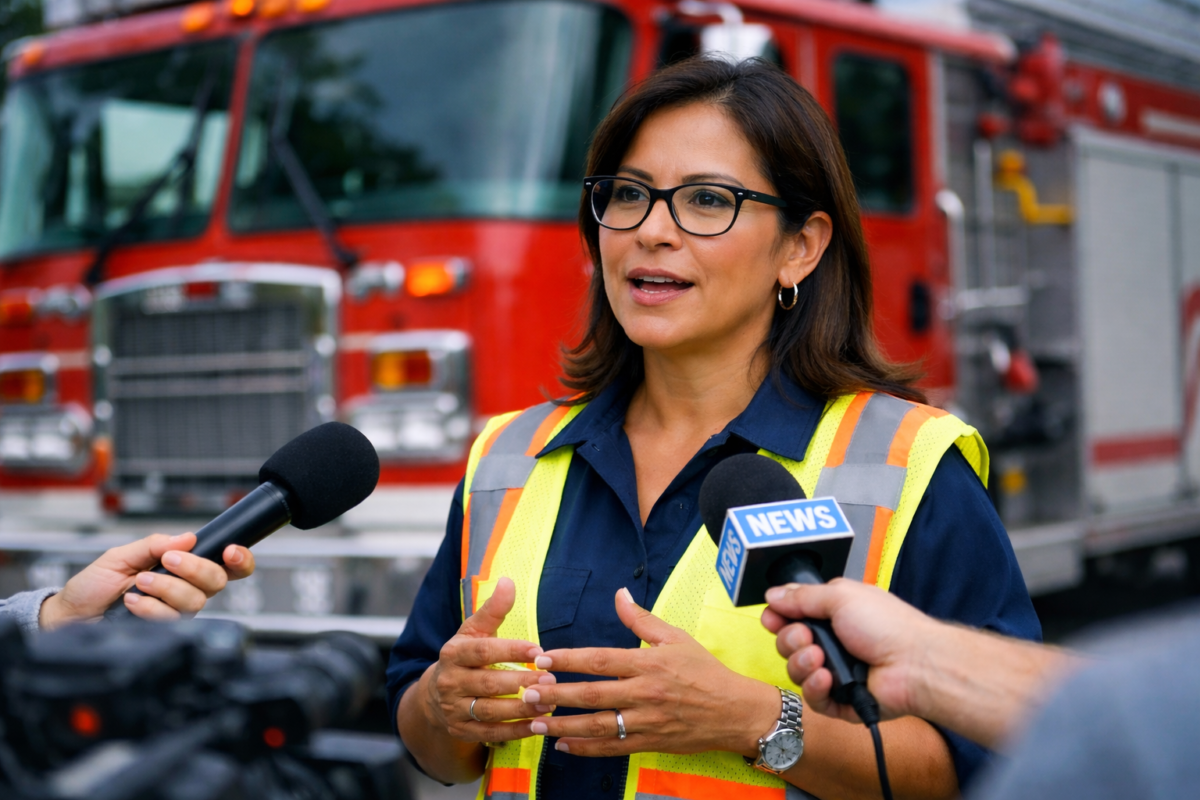
Proactive communication with local media reinforces this narrative. A simple briefing ensures journalists understand that an exercise is planned and controlled, preventing confusion if residents raise concerns. Organizations with sufficient capacity may invite reporters to observe the drill from a safe distance or speak with a company spokesperson afterward. Smaller teams can achieve a similar effect by sharing a concise post-event update with a quote and high-quality images. In all cases, operational facts should be paired with a clear message about safety, preparedness, and community responsibility, helping build reputational credit that matters if a real crisis ever occurs.
Owned media can extend this corporate citizenship story even further. A short blog post or social update explaining why the simulation took place, what was tested, and how first responders were involved allows the organization to frame the exercise in its own words and reach audiences far beyond the neighborhood. For example, Williams Companies published an engaging blog post on its own site titled “Practice means protection: Why we hold emergency drills with first responders,” which explains how drills improve preparedness, strengthen relationships with local emergency agencies, and reinforce safety culture across operations. This type of owned content communicates operational intent while reinforcing the idea that preparedness and community partnership are core organizational values.
When owned, earned, and local communications align, a single local simulation becomes a durable proof point of how the company shows up as a responsible corporate citizen.
Building Reputational Credit Before It Is needed
There is another strategic benefit that should not be underestimated. Media engagement around crisis simulations helps build reputational credit. Journalists who have seen an organization prepare responsibly are better equipped to contextualize information if a real crisis ever occurs. Trust built in calm circumstances often shapes coverage under pressure.
In that sense, crisis simulations are not just about readiness. They are about relationship-building.
Preparedness as a Visible Brand Asset
Crisis simulations will always be about safety first. But when first responders are involved, they are also moments when an organization’s values become visible to the outside world.
By communicating proactively with neighbors, briefing local media, and using owned channels to frame the narrative, companies can transform a moment of potential concern into a tangible brand asset. Preparedness, when explained, does not frighten communities. It reassures them and strengthens the organization’s standing in the places it calls home.